Many experts are concerned about the possibility of a global flu pandemic due to the A(H3N2) influenza virus strain, also known as the Hong Kong flu, following an increase in cases of this virus in Russia.
A new influenza pandemic in the future is unavoidable; the only question is when it will occur and how severe it will be. This warning was issued by Yelena Malinnikova, a Russian infectious disease expert, doctor of medicine, and virologist, in a recent interview with the TASS news agency.

According to Ms. Malinnikova, influenza viruses are constantly mutating and coexisting in both human and animal communities, creating conditions for future major outbreaks. Notably, the influenza A(H3N2) virus has been circulating in human populations for over 50 years, while avian influenza strains carrying the surface protein Hemagglutinin-5 are also classified as high-risk.
"This is why these two virus strains are being monitored particularly closely. This is entirely justified, because the influenza virus is showing signs of renewed activity," Malinnikova emphasized.

Despite warning about the risk of a pandemic, the Russian expert believes that humanity is not entirely in a passive position. According to her, modern medicine already has many important tools at its disposal, such as antiviral drugs and influenza vaccines.
"We have no reason to panic," Malinnikova asserted, while urging people to strictly adhere to health and epidemiological recommendations such as wearing masks in public, getting vaccinated regularly, and maintaining personal and environmental hygiene.
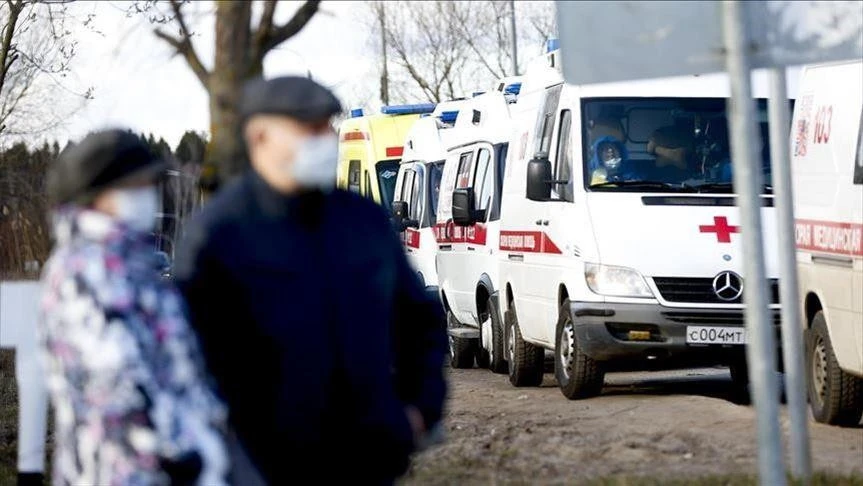
Previously, the Federal Service for Consumer Rights Protection and Human Welfare of Russia (Rospotrebnadzor) reported that the country was experiencing a seasonal increase in acute respiratory viral infections and influenza. This year, the dominant strain is influenza A(H3N2), also known as the Hong Kong flu. However, the vast majority of cases have mild or moderate symptoms, accounting for 99.5%, while only about 1.8% of patients require hospitalization.
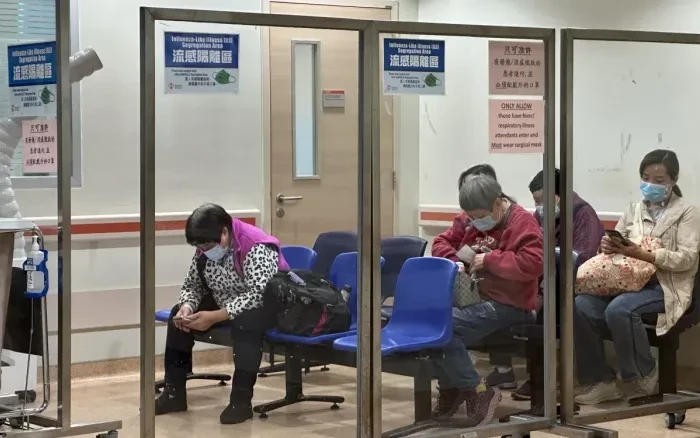
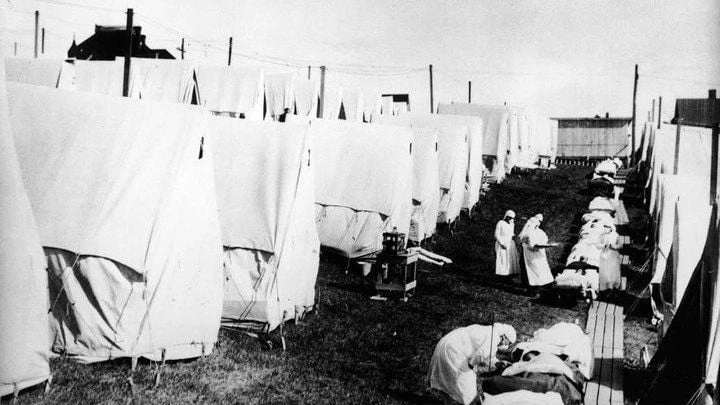
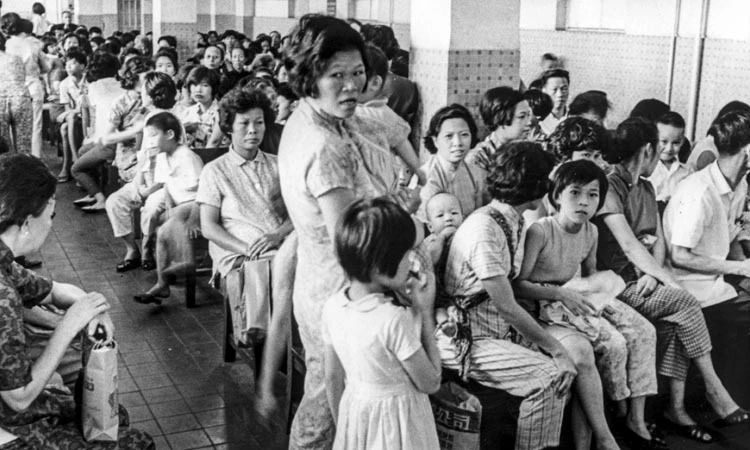
The Hong Kong flu is named after the influenza pandemic that broke out in Hong Kong (China) in 1968. It was the third most serious influenza pandemic of the 20th century, after the Spanish flu (1918-1919) and the Asian flu (1957-1958). Within just two weeks of its first reported cases in July 1968, Hong Kong had over 500,000 infections, equivalent to about 10% of its population at the time. Thanks to its status as a center of international trade, the virus quickly spread globally via air and sea routes.
Clinically, Hong Kong flu presents similarly to many other types of influenza. Common symptoms include high fever, dry cough, headache, runny nose, and body aches, appearing 1-2 days after infection. The disease is primarily transmitted through the respiratory tract, via droplets from nasal and throat secretions when an infected person coughs, sneezes, or talks. Additionally, the virus can survive for a short time on public surfaces.
Most patients recover within a few days to a week without complications. However, in the elderly, young children, pregnant women, and those with underlying health conditions, influenza A/H3N2 can cause dangerous complications such as pneumonia and respiratory failure, increasing the risk of death. The incubation period is usually 1-5 days, and infected individuals can spread the virus from 1-2 days before symptoms appear until several days afterward.
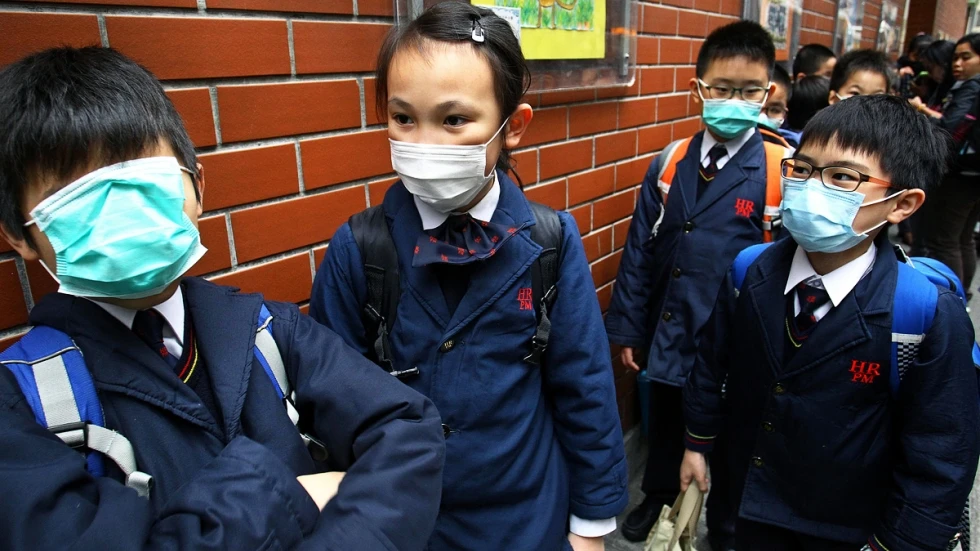
In Vietnam, influenza A/H3N2 is not an unfamiliar virus strain, having been recorded in many seasonal flu outbreaks over the years. Notably, on February 15, 2012, the Department of Preventive Medicine (Ministry of Health) announced the detection of the first case of influenza A/H3N2 originating from pigs in Vietnam, demonstrating the risk of influenza viruses mutating and being transmitted between humans and animals.
Strange light appears in a burning apartment building in Hong Kong, expert explains  Mai Hoa16:59:28 04/12/2025Amid the atmosphere of mourning, a photo of the sky above the burning apartment complex suddenly went viral on social media, causing people to debate the origin of this phenomenon.


















 The Asian Football Confederation will discipline the Lao referee; what is the international media saying?
 A restaurant known as the "welcome gate" meat shop in Lao Cai suddenly caught fire; police are investigating, and netizens are rejoicing?
 Hanoi's AI cameras expose nearly 400 violations in just 3 days, saving a 78-year-old man who got lost.
 The Thung Nhuoi Pass tragedy: Horrific landslide buries many people on National Highway 6.
 Ho Chi Minh City police are investigating the "Nurturing Children" initiative, whose initiator in Nghe An province was once honored?
2 | 0 Discuss | Report