Cuba is facing a severe energy crisis as fuel supplies plummet. Although the US has exported oil to the private sector for the first time, the amount is still too small to address the prolonged power outages.
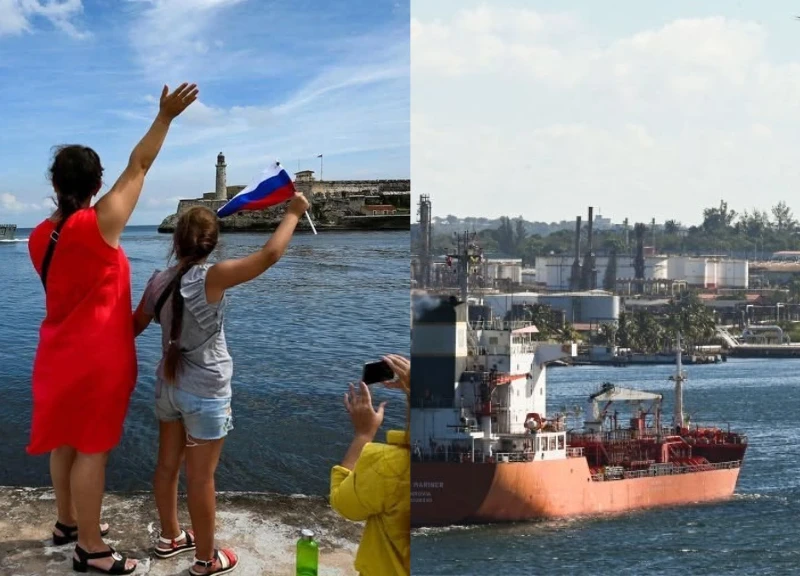
The energy situation in Cuba is becoming a focal point of attention following recent developments regarding fuel supplies from the United States. According to Reuters, since the beginning of February, the US has begun exporting approximately 30,000 barrels of fuel to Cuba's private sector. This is considered an unprecedented move given Washington's continued strict oil embargo against the Havana government.
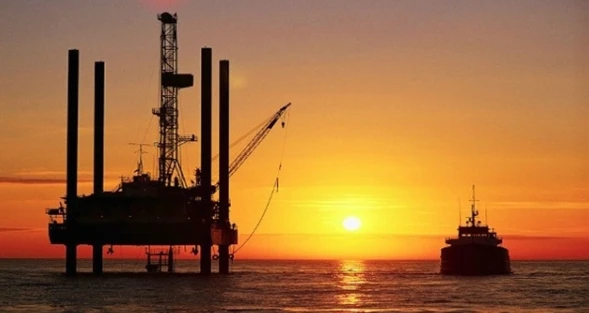
Despite its symbolic significance in terms of policy, this amount of fuel represents only a tiny fraction of Cuba's enormous consumption needs. With consumption at around 100,000 barrels per day to power oil-fired power plants and meet population demands, 30,000 barrels is equivalent to just over one-tenth the capacity of a medium-sized oil tanker—almost insufficient to make a significant difference.
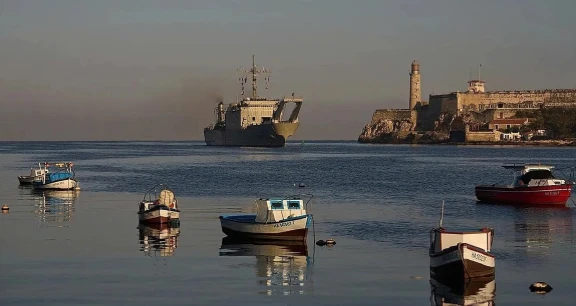
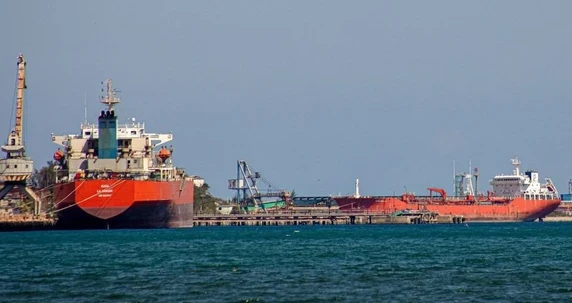
Fuel supplies to Cuba are primarily transported via ISO-standard tanks, each with a capacity of approximately 21,600 liters, loaded onto container ships. A total of around 200 tanks have been unloaded, with diesel accounting for 99% and gasoline only about 1%. As of March 25th, 61 container ships carrying cargo from private companies had arrived at Cuban ports, mostly concentrated at Mariel port, west of Havana.
Speaking about this policy, U.S. Secretary of State Marco Rubio said it was a strategy aimed at creating a clear economic separation between the private sector and the state apparatus in Cuba. He emphasized: "Putting the private sector and the Cuban people – with the government and the military – in the priority category." However, he also warned that export licenses could be immediately revoked if it was discovered that this fuel was being transferred to state agencies or the military.
Meanwhile, the reality in Cuba presents a stark contrast. Numerous videos circulating on social media over the past week show five-star hotels in Havana still brightly lit, serving international tourists, while many hospitals and residential areas are experiencing prolonged power outages.
In addition to fuel shortages, shipping activity in Cuba is also experiencing a severe decline. According to Windward shipping data, only 11 ships docked in March, all from inland ports. This is the lowest level recorded since 2017, indicating a clear disruption in the island nation's energy and goods supply chains.
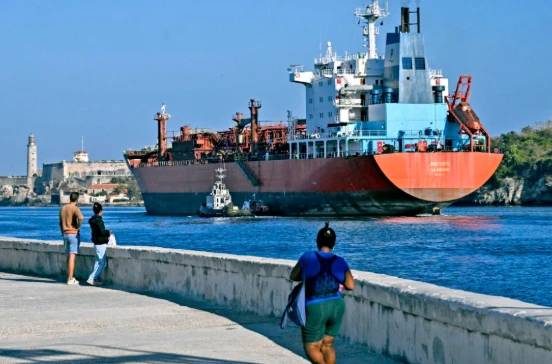
The prolonged fuel shortage has left Cuba's national power system in a state of instability for months. Daily rolling power outages have severely impacted people's lives and production. On March 21st alone, Cuba experienced its third widespread power outage in just one month. Furthermore, the US Treasury Department has placed Cuba on a list of countries restricted from receiving oil from Russia, prohibiting all transactions involving the supply or transport of crude oil and petroleum products originating from Russia to the island nation.
How much money has the US spent after 6 days of fighting with Iran? The revealed figure is shocking.  Thảo Vi12:17:59 12/03/2026The U.S. military campaign against Iran is drawing attention as costs have skyrocketed in a short period of time. Officials say Washington has spent at least $11.3 billion in just the first six days of fighting, while Congress is demanding clarification of the entire budget...

















 Question number 15 on Who Wants to Be a Millionaire has yet to be answered correctly, so what makes it so unsettling?
 A male student from the Polytechnic University rushed into a raging fire to save people in Linh Nam, then quickly clarified one thing.
 Hot girl Meo Meo makes a splash speaking out about the early morning controversy; netizens spot a strange detail?
 Netizens express sorrow over the moment a funeral procession in Ho Chi Minh City accidentally dropped a coffin.
 The shocking truth behind the viral clip: Making money easily by "checking in on behalf of others"
 Ton Bang performed a sensitive scene with his pregnant wife live on stream to gain views.
 The "chilling" account of the man who broke through the corrugated iron roof to "rescue" people in the Linh Nam fire.
 A young man from Hanoi wins 150 million VND on Who Wants to Be a Millionaire; the production team reveals shocking details.
 'Bride with 200 gold bars' announces divorce, husband texts other woman, secret agreement revealed?
 Boy joins 10-year trend with grandmother, revealing family background: Tang Duy Tan and Duc Phuc moved.
 A MiG-21 from Ca Mau, abandoned for over 40 years and severely damaged, has its true origin shocking netizens.
1 | 0 Discuss | Report