As the world approaches 2026, his ancient verses are once again being "reawakened" and attributed to a series of future events. However, amidst these shocking speculations, what is true and what is the product of imagination?
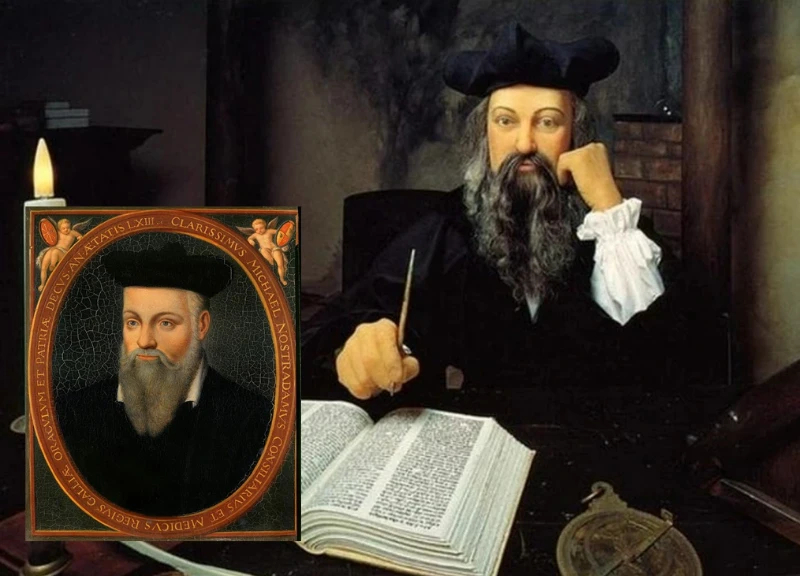
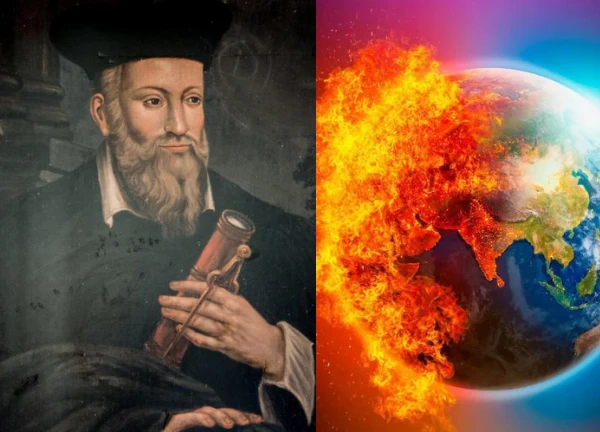
Nearly five centuries have passed since Michel de Nostredame's *Les Prophéties* (The Prophets) was published, yet the name Nostradamus has never lost its appeal.
The matrix of words in the 16th-century "prophecy archive".
Nostradamus, the French physician and astrologer, left behind nearly 1,000 enigmatic quatrains. A key point often overlooked: Nostradamus never specified a particular year, including 2026.
His book is divided into "Centuries," but this is merely a classification based on the number of stanzas, not a chronological order. The attribution of events to the year 2026 is entirely a speculation by modern "researchers."
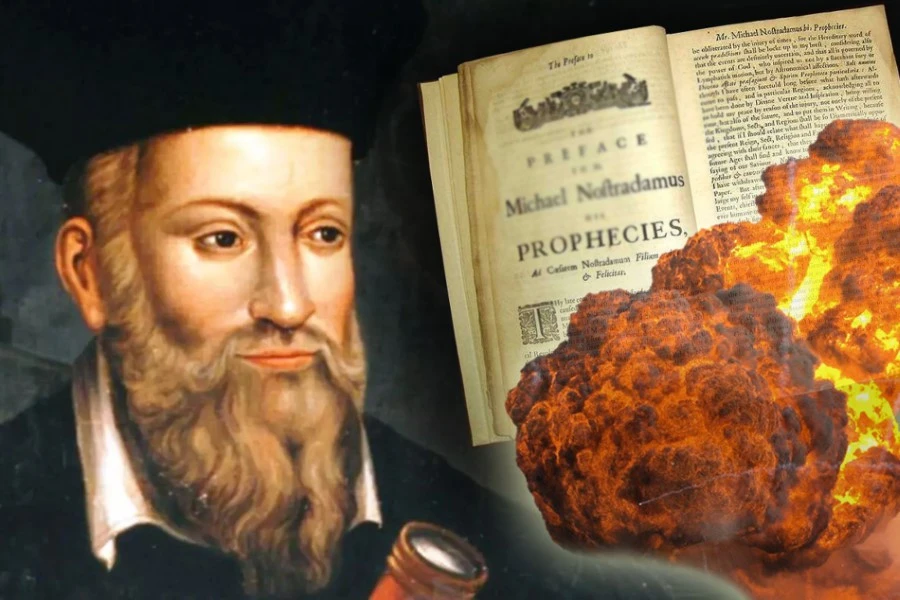
Decoding Misconceptions
In articles circulating about the year 2026, images of Mars and "giant bees" are often cited as evidence of geopolitical conflict.
The god of war: Mars appears repeatedly in Nostradamus's poetry as a symbol of violence. However, associating this image with the East-West confrontation or the tensions between current superpowers is an attribution. In the original texts, there is no mention of modern geopolitical concepts.
The "bee swarm" enigma: Many rumors about the collective power of leadership alliances are attributed to the image of a "giant bee swarm." In reality, this phrase does not exist in the original text. Bees were originally a symbol of ancient French royalty, and transforming it into a purely "political alliance of 2026" is a contemporary interpretation by later generations.
Elusive Places: From the Alps to Ticino
Some stanzas mention specific place names such as Rouen and Evreux (France) or the Ticino region (Switzerland). Pessimists were quick to use them to paint a scenario of a new conflict in Europe in 2026.
Scholars assert that the place names are real, but the time period is imaginary. Inserting contemporary political figures into 16th-century poetry is like trying to fit a modern piece into an ancient, already-completed picture.
A modern perspective and the aspiration for "revival"
Why do these prophecies always seem to "come true" in such a strange way? The answer lies in deliberate ambiguity.
Nostradamus uses rich symbolic language, allowing each generation to reflect their own fears of war, climate change, or economic crisis within it. In particular, the tendency to believe in a "positive ending"—light after darkness by the end of 2026—actually reflects humanity's desire for peace amidst the world's tumultuous changes.
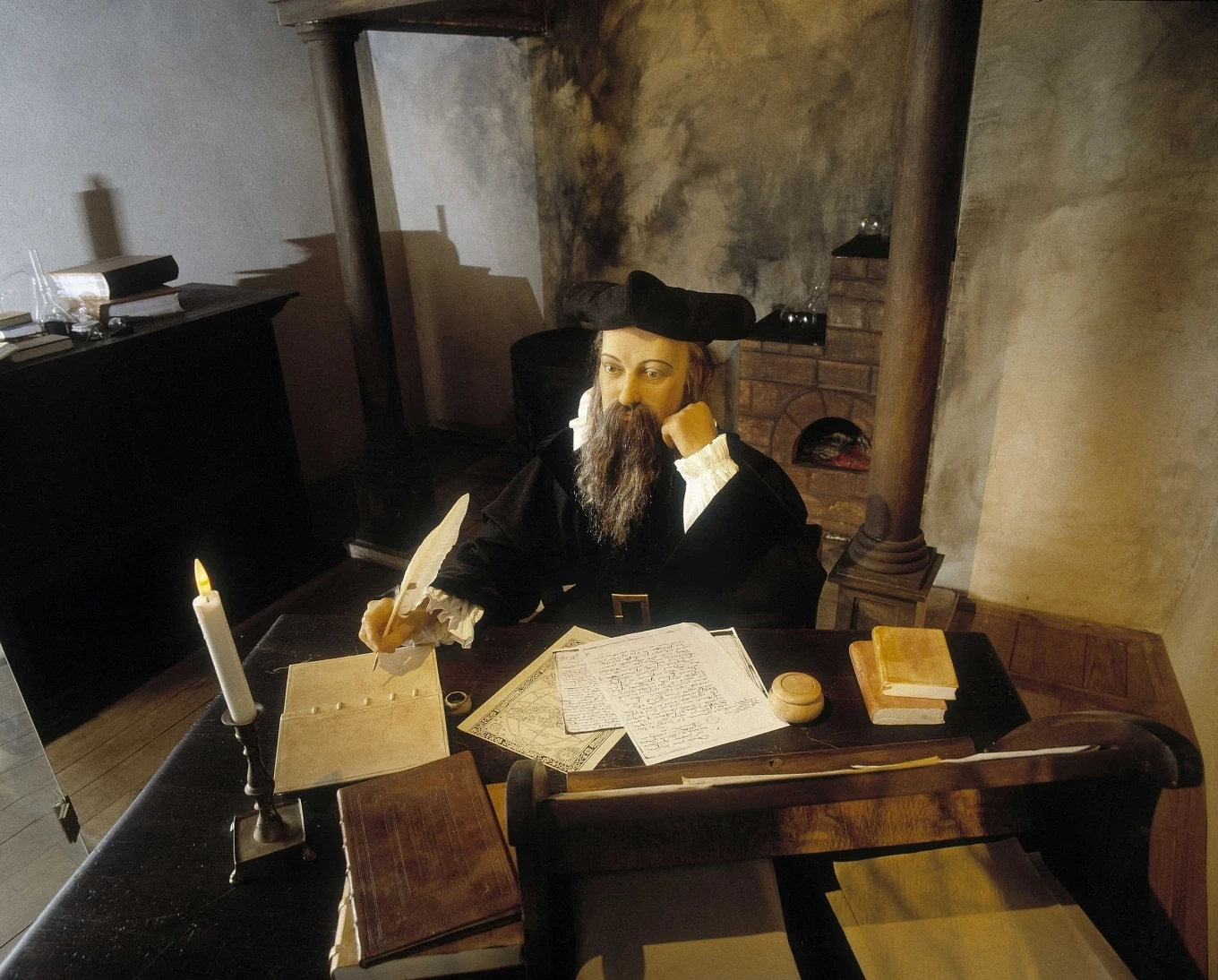
Conclusion: Magic Mirror or Map?
The short answer to the question "What did Nostradamus say about 2026?" is: He said nothing. The predictions currently trending on social media are essentially a "cocktail" blend of fragmented ancient verses and a contemporary lens. Nostradamus's prophecies are not a roadmap to the future, but rather a mirror reflecting humanity's anxieties and hopes. Instead of worrying about vague verses, perhaps we should focus on how humanity confronts and addresses the real challenges of our time.
Nostradamus - Vanga and the prophecy of 2025 coincide strangely!  JLO17:21:00 20/01/2025The predictions of the famous 16th century physician - prophet - astrologer Nostradamus continue to attract attention. In 2025, he predicted that the world would witness a change in the international order, a medical breakthrough, and the end of a long war.
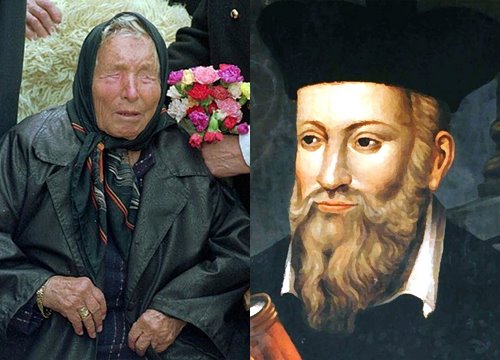















 Chinese Nostradamus prophet predicts US defeat in Iran, revealing a shocking future.
 Baba Vanga prophesied about the fluctuations in gasoline prices, a coincidence that is chilling!
 Baba Vanga prophesied the 'End of the World', and global experts warn that day is near?
 The bizarre and unique custom of eating soil in Vietnam is so rare that even at exorbitant prices, it's impossible to buy.
 The world's deepest road tunnel revealed: The staggering figure of 392 meters is shocking to everyone.
 Will the prophecy of the late Russian politician about the Middle East come true before his death?
 The mystery of the 21 coffins in Bao Gong's funeral and his enormous fortune at the end of his life.
 45 planets with the potential to harbor life similar to Earth have been discovered.
 A "dangerous" type of cancer that progresses rapidly; the first 3 signs should not be ignored.
 The mystery of the world's first man to become pregnant and give birth shocks netizens.
 Discover a new fiery planet with a terrifying temperature of 1,900°C and dense, toxic gases.
3 | 0 Discuss | Report