Nestled amidst the rugged Tibetan plateau, Mount Kailash has long been regarded as one of Asia's most sacred mountains.
Beyond its profound religious significance for Buddhism, Hinduism, and indigenous beliefs, Kailash is also associated with mysterious stories spanning thousands of years. One of these is the legend of the Ancient Kingdom – an ancient civilization believed to have once existed deep within this sacred mountain.
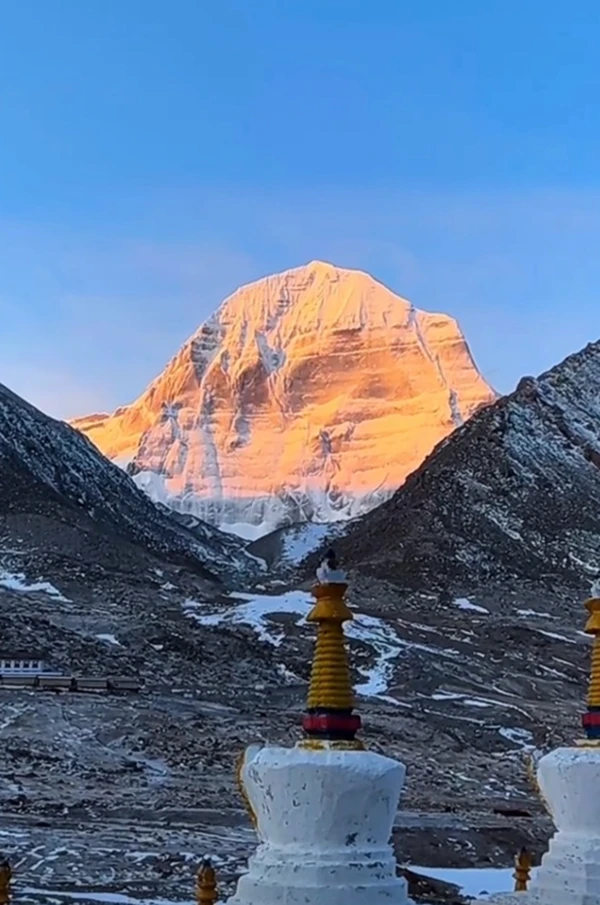
According to historical records and legends, Gōgō was once a powerful kingdom with a well-organized society that existed for a long time before suddenly disappearing. What makes the story particularly intriguing is that the remnants of this kingdom are not found on the surface but are believed to be hidden deep within Mount Kailash, a place that has almost never been fully conquered by humans.
During a rare expedition, researchers accessed an entrance deep inside the mountain. Unlike typical depictions of natural caves, the interior space revealed clear signs of human intervention. The tunnels were relatively squarely carved, and the rock walls showed signs of processing, giving the impression of a well-planned military structure or residential area rather than a pristine cave.
As the expedition progressed further, they discovered numerous interconnected rock chambers, forming a closed system. Here, they found metal tools, weapons rusted over time, and items believed to have been used for daily life and defense. These details fueled the hypothesis that this place was once an important center, possibly serving a military function or as the capital of an ancient political entity.
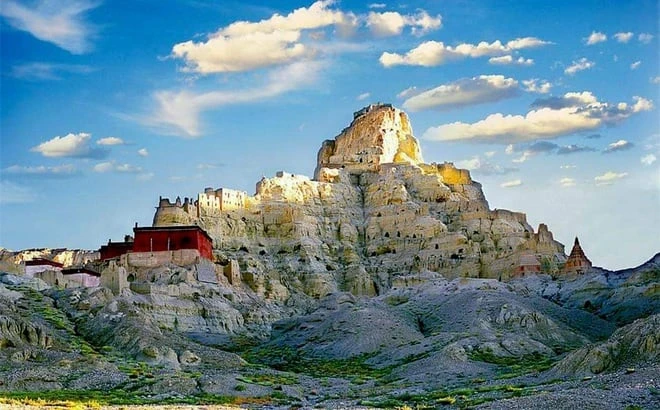
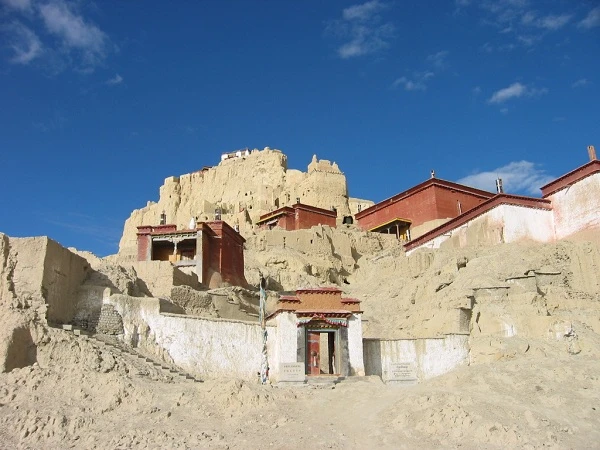
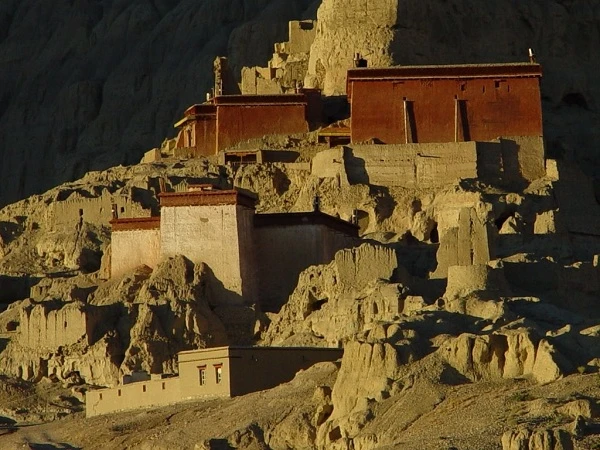
Local legends tell that the Kingdom of Guge was connected to Xiangxiong, an ancient kingdom that once existed on the Tibetan Plateau. After the last king of Xiangxiong died, the territory was divided among his three sons. A portion of the land was given to the youngest son, gradually forming Guge. However, prolonged internal conflicts led to the kingdom falling into disarray and eventually disappearing mysteriously from history.
The most disturbing discovery was found in a large rock cavity deep within the mountain. Here, the expedition team recorded a large number of human remains, many of them headless. The skeletons were stacked on top of each other, creating a chilling sight. The arrangement and quantity of remains suggest that this may be the result of a massacre or a major event that occurred in the past.
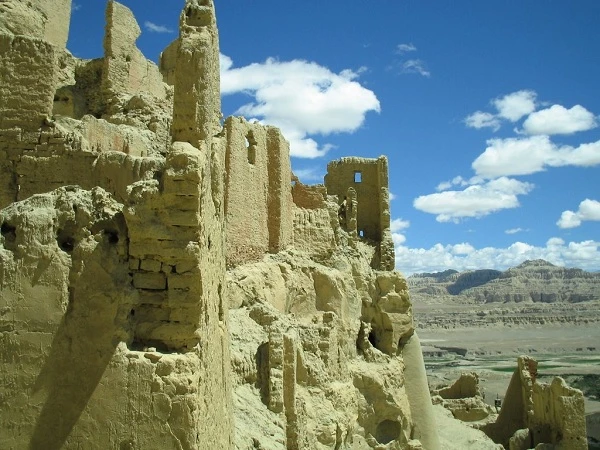
Remarkably, despite having existed for hundreds, even thousands of years, many remains are still remarkably well-preserved. Experts believe this may be due to the unique environmental conditions inside Mount Kailash. The dry air, stable temperature, constant wind, and direct sunlight entering the cave entrance have limited the natural decomposition process, allowing the bones to survive for so long.
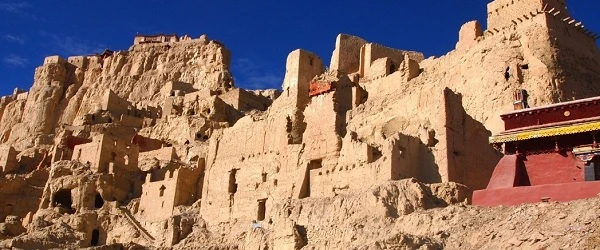
However, to this day, the existence of the Ancient Kingdom of Cách has not been officially recognized in standard historical documents. Much of the information surrounding this kingdom comes from legends, fragmented records, and findings that have not been fully verified scientifically. This makes the story both historical and shrouded in mystery.
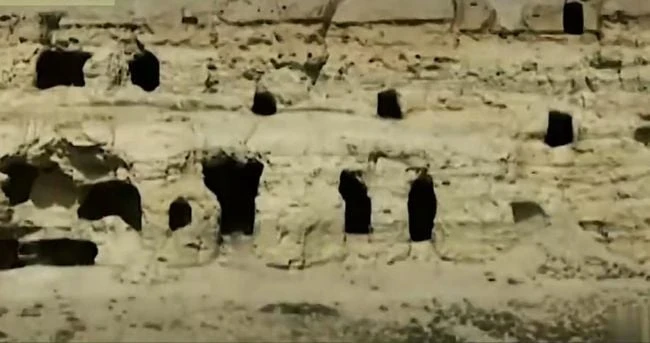
The Ancient Kingdom of Kailash, if it ever existed, may be evidence of a forgotten period of history on the Tibetan plateau. What remains beneath Mount Kailash continues to pose a major question for researchers: are these the genuine traces of a lost civilization, or merely a random combination of nature and human imagination? Until a clear answer is found, the secrets within this sacred mountain will remain a subject of ongoing curiosity and debate.
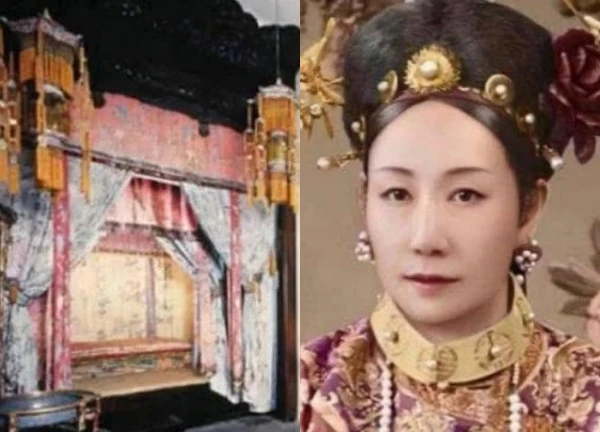
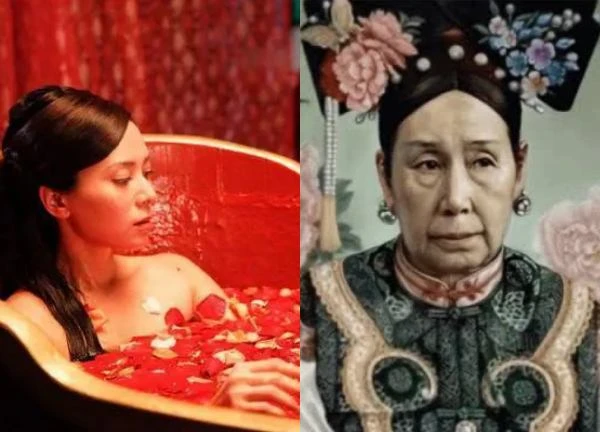
Empress Dowager Tu Xi expelled the servant, kept 1 eunuch when bathing, hiding the secret?  Minh Lợi17:40:25 09/08/2025In Chinese history, Empress Dowager Tu Xi is famous as a powerful woman of the Qing Dynasty.She came from Ye He Na Lap City of the Manchurian Xiang Dynasty, formerly the Manchurian Xiang Lam Qi, a descendant of a hereditary official.








 The mystery of the world's heaviest bell: Gigantic yet eternally silent.
 The world's strangest village: 11 years of only girls being born – it sounds unbelievable, but it's true.
 Britain makes a shocking discovery: another 'species' created fire before humans?
 Chinese astronaut nearly 'disappeared' in space, quickly did something to save his life, shocking social media!
 The country "lacks men", opens an hourly "husband hire" service, revealing the reason for TG's shock!
 When Ung Chinh died, in addition to the Empress, she also appointed 1 concubine to bury her, why?
 Why is the year 2026 of the Horse called the year of the "Song of Fire", what to do to avoid bad luck?
 Ca Mau sea water split into two strange colors, netizens "massively" in front of a rare scene
 The phenomenon of Ca Mau's "yin and yang" sea causing a stir is actually just a natural law
4 | 0 Discuss | Report