In Chinese history, Bao Zheng, or more respectfully known as Bao Gong, is not only famous for his image as a "righteous and just official," but also for his real-life story, which is very different from how he is portrayed in films.
During the Song Dynasty, Bao Gong was a prime example of the court's policy of valuing talented individuals and upholding integrity. Despite this, many theories surround his enormous wealth in his old age, even though this official was exceptionally honest throughout his life.
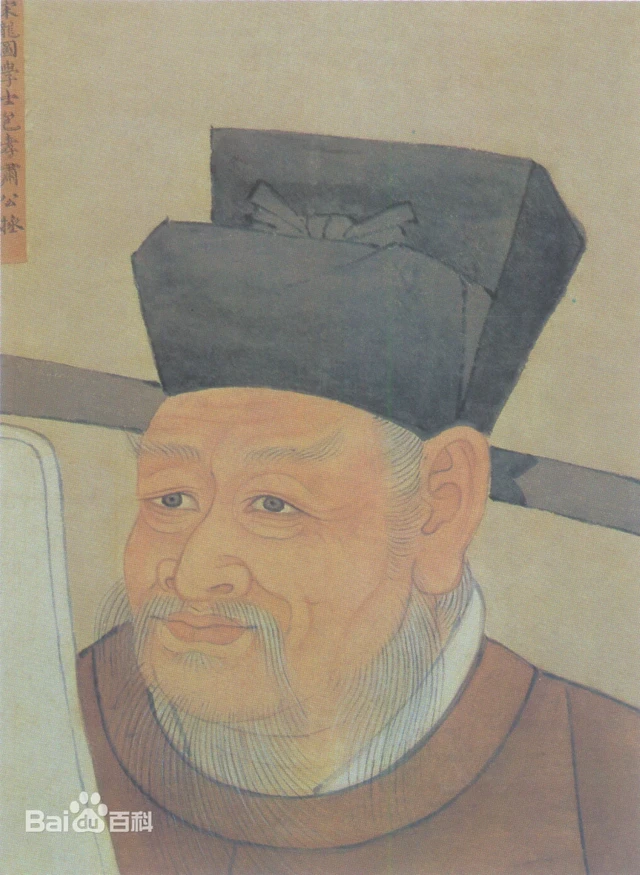
The most generous treatment in the imperial court.
The Song Dynasty was renowned for its strict bureaucratic system and high salaries aimed at curbing corruption. As a high-ranking official, Bao Gong enjoyed exceptionally high remuneration compared to the general standard of the time. When holding important positions such as Scholar of the Longtu Pavilion, Right Assistant Minister of the Ministry of RMB, or Prefect of Kaifeng, his annual income reached 18,000 quan – a figure researchers estimate to be equivalent to approximately 18 million RMB (over 68 billion VND) in modern terms.
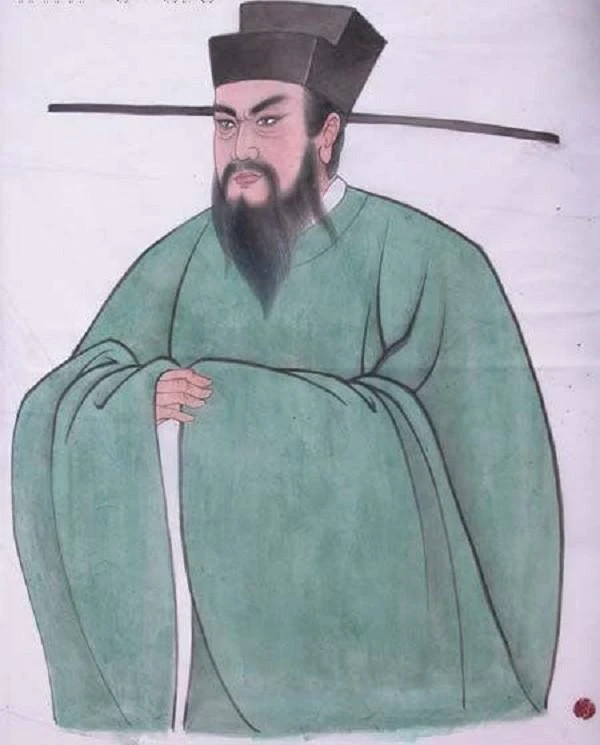
Beyond his salary, the imperial court also provided him with numerous other allowances. Each month, Bao Gong received 30 quintals of grain, including rice and barley, along with 60 bundles of straw for living expenses and livestock. In addition, he was granted 1,500 quan of "official funds"—an expense for his work. Notably, the court bestowed upon him over 2,000 acres of fertile land, allowing him to collect rent as his personal property. When he was promoted to higher positions such as Deputy Commissioner of the Privy Council, equivalent to Deputy Prime Minister, his total income increased dramatically.
The truth is far different from the image portrayed in movies.
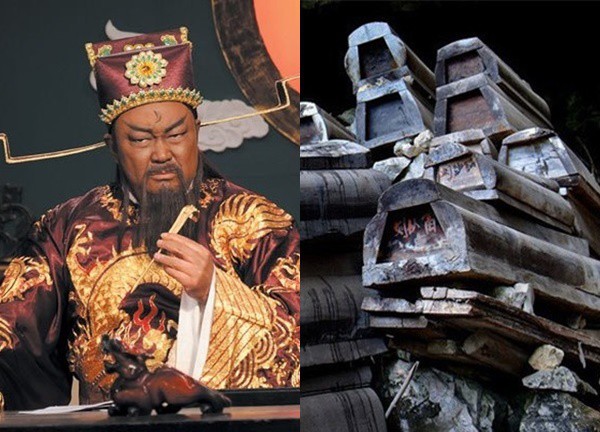
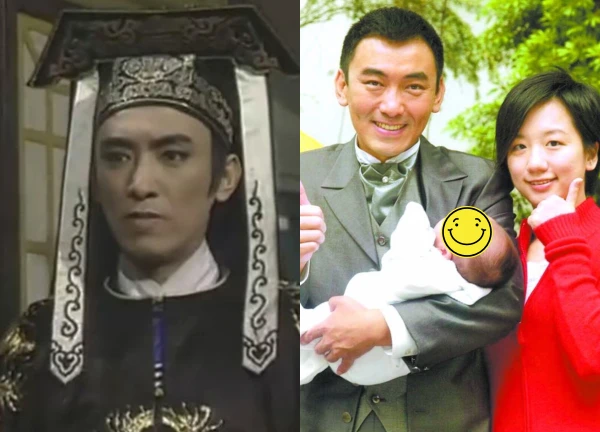
The image of Bao Gong with his dark face and crescent moon mark on his forehead has been deeply ingrained in the minds of many generations of viewers, especially through art forms such as Peking Opera and traditional Vietnamese opera. However, this is merely a conventional artistic representation. In the conventions of traditional theater, the color black symbolizes integrity, honesty, and impartiality.
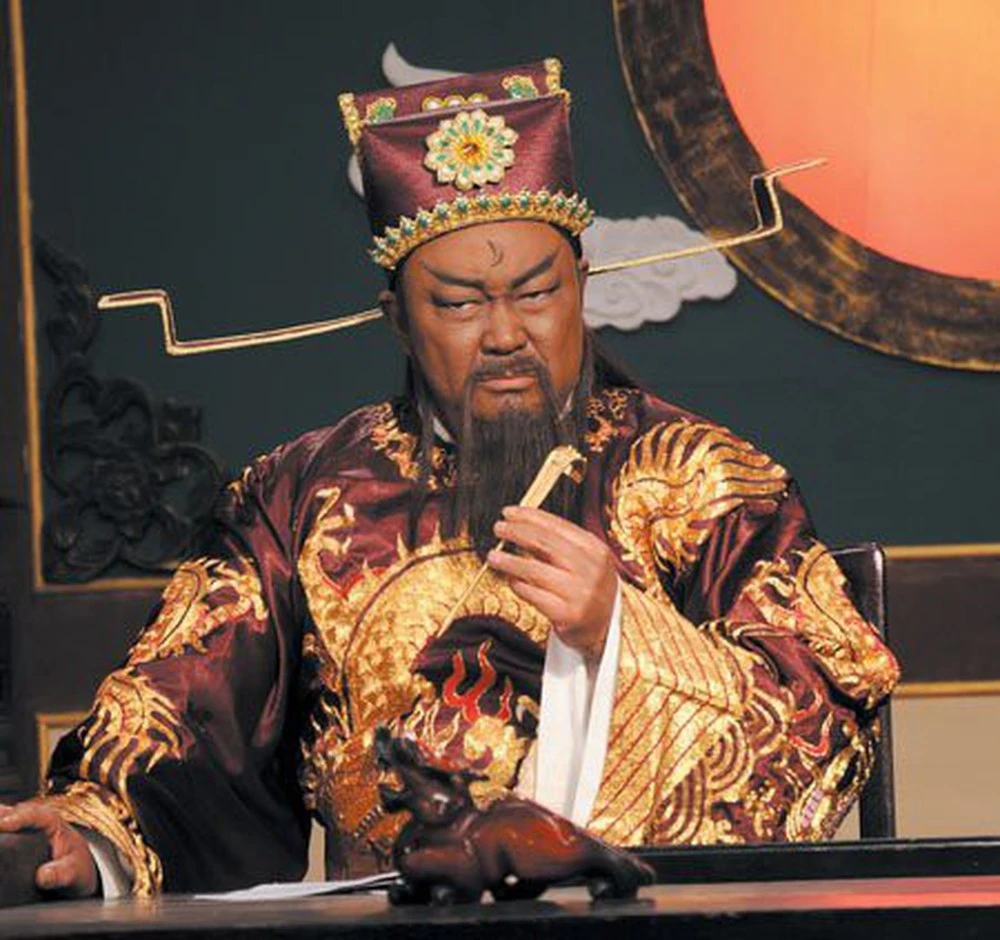
Historically, Bao Gong was described as having fair skin, a scholarly appearance, and the calm demeanor of a Confucian scholar. The "darkening" of his face in artistic portrayals only served to emphasize his integrity and did not reflect his true appearance.
Famous stories associated with Bao Gong, such as "executing Chen Shimei" or "the狸猫换太子" (The狸猫换太子 - the狸猫换太子), are actually products of fiction and folklore. In reality, his tenure as Prefect of Kaifeng lasted only about a year.
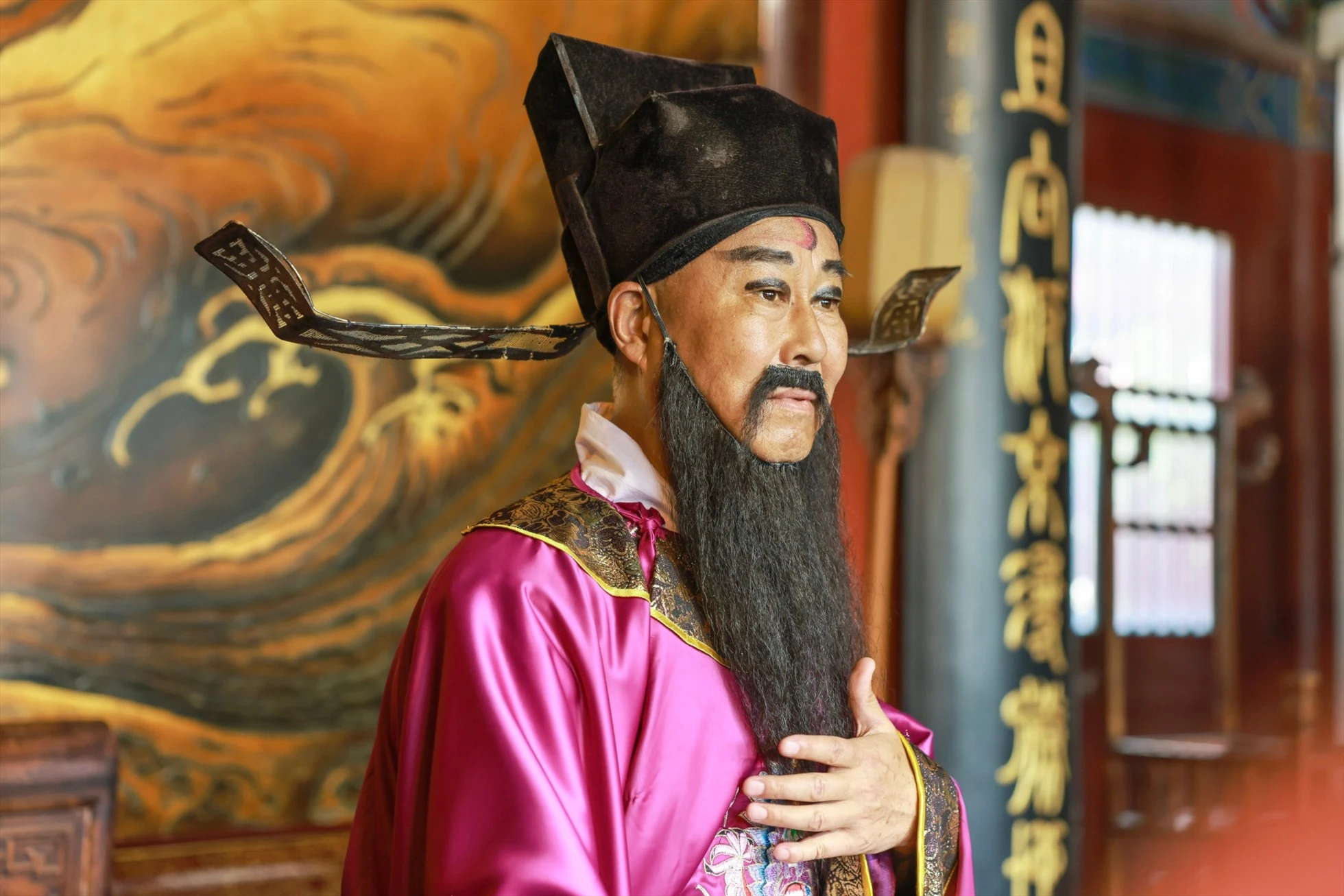
Much of Bao Gong's career was dedicated to politics, administrative reform, and diplomacy. He was renowned for his straightforwardness, his willingness to advise the emperor, and his commitment to upholding court order, rather than his direct investigation and crime-solving as depicted in films. It was these contributions that truly formed the basis for his veneration by posterity.
A mysterious funeral with 21 coffins.
After his death at the age of 64, Bao Gong's funeral became a major event. According to records, as many as 21 coffins were carried out of the city at the same time, making it impossible for anyone to determine which was the real coffin.
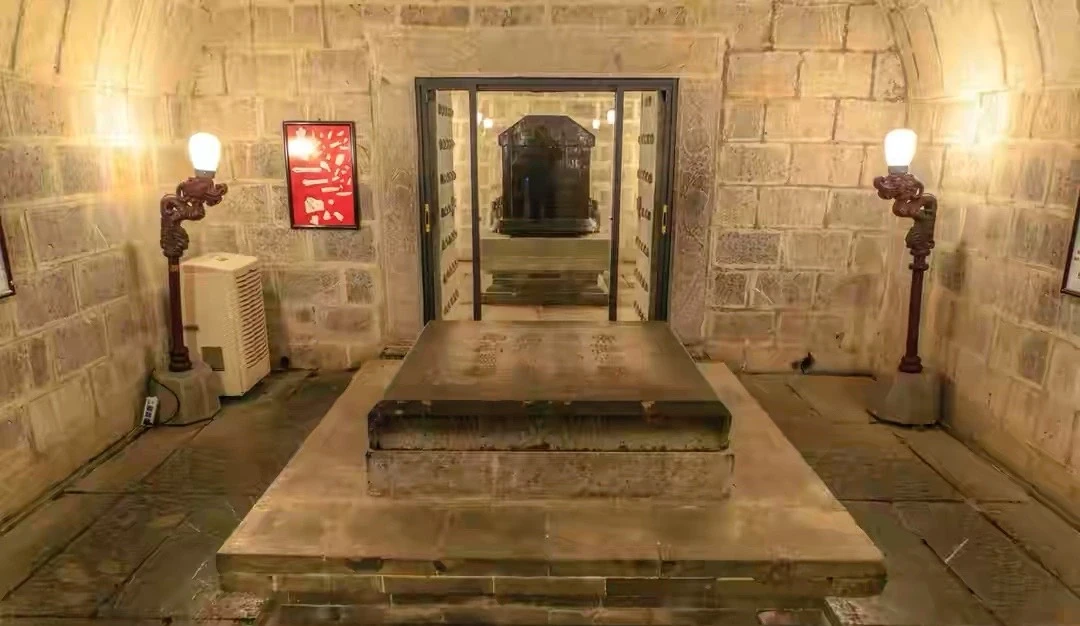
This phenomenon has given rise to many theories among researchers. One theory suggests that his family wanted to avoid revenge from those he had severely punished during his lifetime. Another theory suggests that this was a measure to distract grave robbers – a common practice in ancient societies – in order to protect the resting place and the family's good fortune.
The mystery surrounding Bao Gong's tomb lasted for centuries until 1973, when archaeologists discovered an ancient tomb complex on the outskirts of Anhui province during land leveling. After research and verification, they determined that this was indeed the resting place of this famous official.
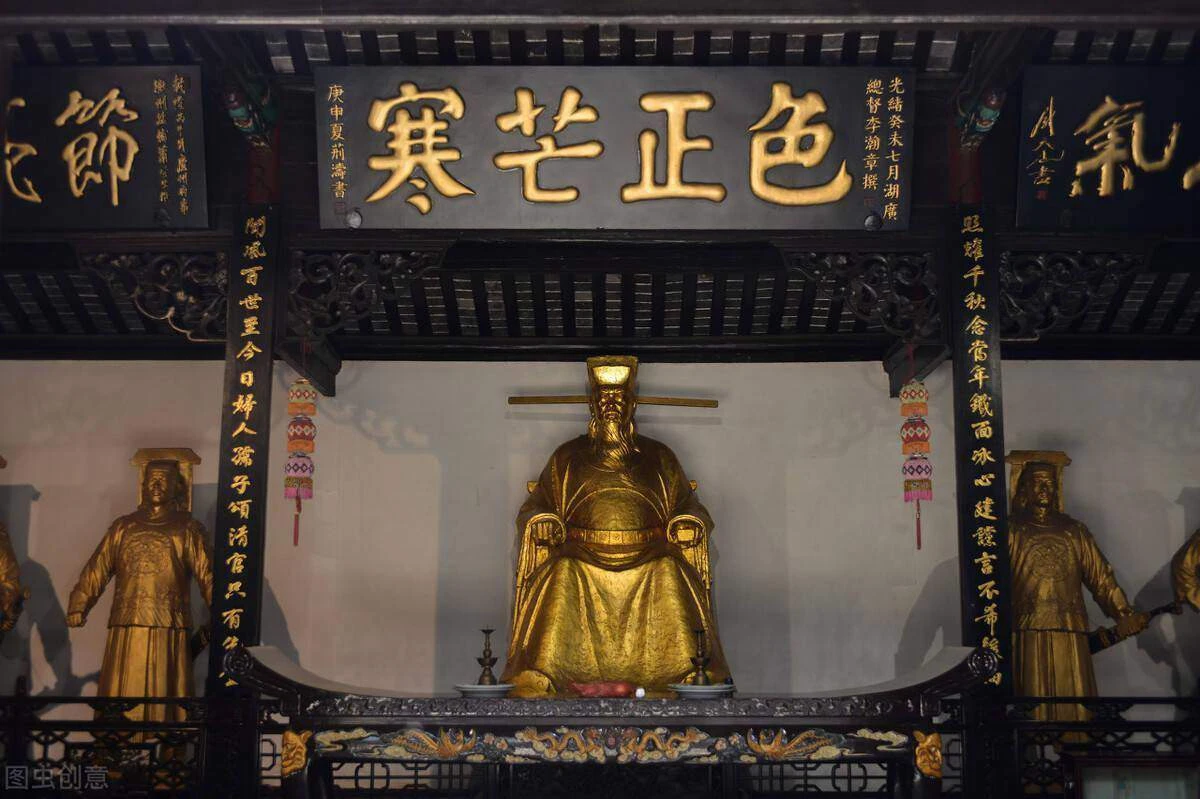
By 2004, the tomb was recognized as a city-level cultural heritage site and quickly became a popular tourist attraction. It is not only an important archaeological site but also a symbol of the integrity and honesty that Bao Gong embodied.
The superior sword Bao Thanh Thien and the truth about the power of "first strike later"  Hoàng Phúc19:52:40 13/03/2024In the 1993 Chinese historical film Bao Qingtian, Bao Cheng, the mandarin of the Kaifeng government, was given a Shang Fangbao sword by the King of Song that could be used first and later (used first, reported to the king later).

















 45 planets with the potential to harbor life similar to Earth have been discovered.
 Baba Vanga's prophecy about gold prices in 2026 has been unearthed, and she predicted one thing so accurately that it's hard to believe.
 A "dangerous" type of cancer that progresses rapidly; the first 3 signs should not be ignored.
 The mystery of the world's first man to become pregnant and give birth shocks netizens.
 Discover a new fiery planet with a terrifying temperature of 1,900°C and dense, toxic gases.
 The bizarre story of a 74-year-old woman giving birth to twin girls with her 82-year-old husband and the tragedy behind it.
 Why did concubines chosen by the Emperor for intimacy have to be wrapped in blankets and carried in by attendants?
 The mystery of the strange painting hanging in the Forbidden City was only solved 300 years later.
 The thinnest house in the Mekong Delta, accommodating up to 5 people, with a shocking interior space!
 "Signals of life" detected from another galaxy, 1.7 billion light-years from Earth.
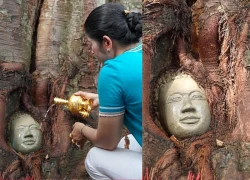 A Buddha's face 'emerges' from a Bodhi tree, attracting people from all over; is this a spiritual phenomenon?
 Fishermen thought they were seeing a strange white object in the middle of the ocean, but experts say it's shocking.
2 | 0 Discuss | Report